

Monroe & Lawrence County
Relocating to Southern Indiana
Moving here is a decision about a whole way of living, not just a house. Monica Proenza helps you compare Bloomington, Bedford and Ellettsville so the move you make is one you can picture yourself keeping.
Three Towns, One Decision
The right town usually comes down to how you want your ordinary week to feel. Here is how these three are most often described by the people who move to them.

Bloomington
Indiana University sits at the centre of the city, and the neighbourhoods around it run from historic streets near downtown to newer subdivisions on the edges. It tends to suit buyers who want restaurants, music and culture within easy reach, a wider choice of home styles, and streets that stay lively. You will usually pay more per square foot here than in the other two towns.
Explore Bloomington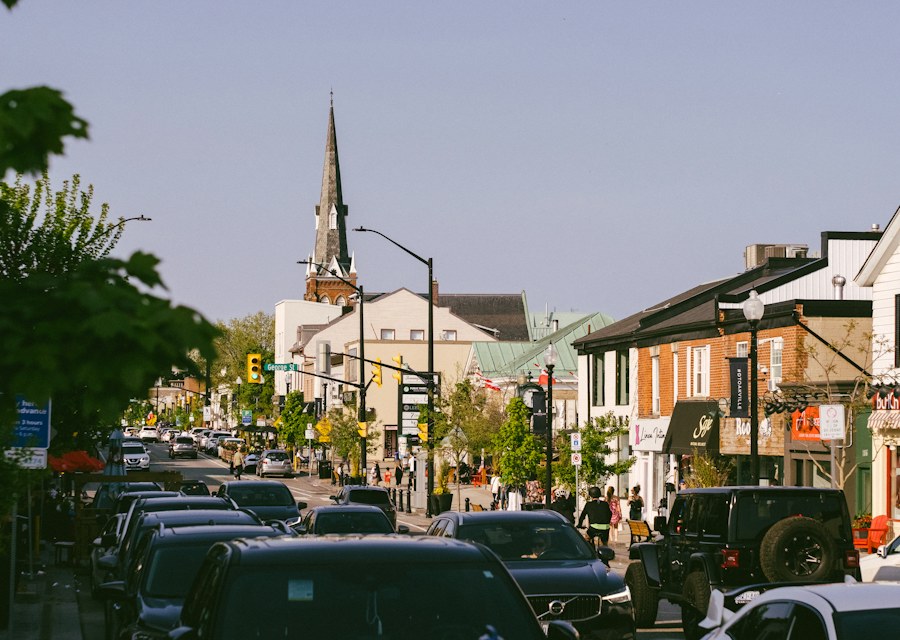
Bedford
Bedford is a smaller city with a traditional downtown of its own, and homes in and around the centre are a mix of older houses and newer builds. It suits buyers who want more house or more land for their budget, and who are comfortable driving to Bloomington for work or an evening out. If you need a workshop, a bigger lot or a quieter street, your money stretches further here.
Explore Bedford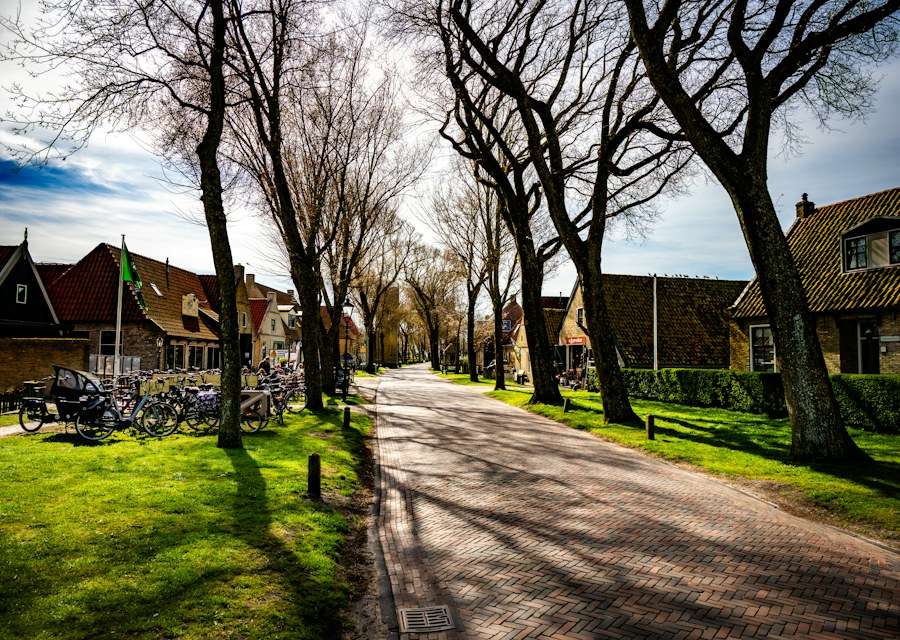
Ellettsville
Ellettsville sits just west of Bloomington and has kept a small-town feel while sharing the larger city's shops and employers. Families often choose it for calm streets and a short drive into town. It is a good middle ground if you want space and quiet without giving up convenience.
Explore EllettsvilleWhat to Figure Out Before You Visit
House hunting goes much faster when you have already answered a few questions for yourself. Work through these six before you book a trip, and the day you spend looking will be about choosing rather than narrowing.
Drive the trip yourself. Once you have a likely commute, drive it at your own normal working hours, in your own car, on a weekday. Nobody else can tell you what that drive will feel like for you, so treat any estimate you are given as a starting point to test rather than a fact to rely on.
-
1
Your Commute and Daily Routine
Write down where you will actually be driving to on a normal week, and what time you need to be there. Then think about the rest of the day around it, not just the trip to work.
-
2
How Much House You Need Versus Want
List the rooms and features you genuinely use every week, then list the ones you would enjoy but could live without. That second list is where a budget is usually saved or spent.
-
3
New Construction or an Older Home
Newer homes usually ask less of your weekends, while older homes often come with more character and a longer list of things to keep an eye on. Decide which trade you would rather make before you start viewing.
-
4
How Close You Want to Be to Groceries, Dining and Medical Care
Think about how often you shop, eat out or see a doctor, and how far you are willing to go for each. A short trip on a map can feel very different once it is part of your week.
-
5
Whether You Need a Garage, a Workshop or Land
Storage, a place to work on projects and a bit of ground are three separate things, and each one changes which homes are worth your time. Be specific about what you need to park, store or build.
-
6
What "Settled" Looks Like in Your First Year
Picture the ordinary parts of life a year from now: the school run, the weekend errands, the neighbours you say hello to. Buying with that picture in mind is usually more reliable than buying for the first month.
Make One Trip Count
Rather than crossing the state several weekends in a row, give Monica the neighbourhoods you are serious about and let her build a single showing route around them. You will see the streets you are actually considering, back to back, while the differences are still fresh.
Plan Your VisitMoving to the Area? Let's Talk First
Tell Monica what you are moving for, what your week needs to look like, and which towns you are weighing. She will tell you honestly where each one fits, and where it does not.
Contact Monica